


By Amarachi Ugwu
A child should never have to choose between education and survival. Yet in Nigeria today, every parent who drops a child off at school is silently praying that child returns home alive.
There was a time when Children’s Day in Nigeria felt alive. Schools prepared for weeks. Parents ironed uniforms with excitement. Children rehearsed songs, cultural dances and parades under the hot sun while teachers shouted instructions from the sidelines. Roads around stadiums would be blocked. Government officials would sit under decorated canopies and give speeches about the “leaders of tomorrow.” Today, many schools no longer even bother. Not because children stopped being important, but because Nigeria has become too dangerous for children to simply exist safely.
This year’s Children’s Day feels heavy. It feels hollow. And for many families across the country, it feels insulting.
How do you celebrate children in a country where schools have become hunting grounds for kidnappers? How do you organize ceremonies while some parents are praying for abductors to spare their children’s lives? How do political leaders stand before cameras and speak about the future when the present reality of Nigerian children is fear, hunger, trauma and abandonment?
As a broadcast journalist who has spent years telling and listening to Nigerians tell their stories, I can say without exaggeration that I have never seen Children’s Day in Nigeria feel this dark.
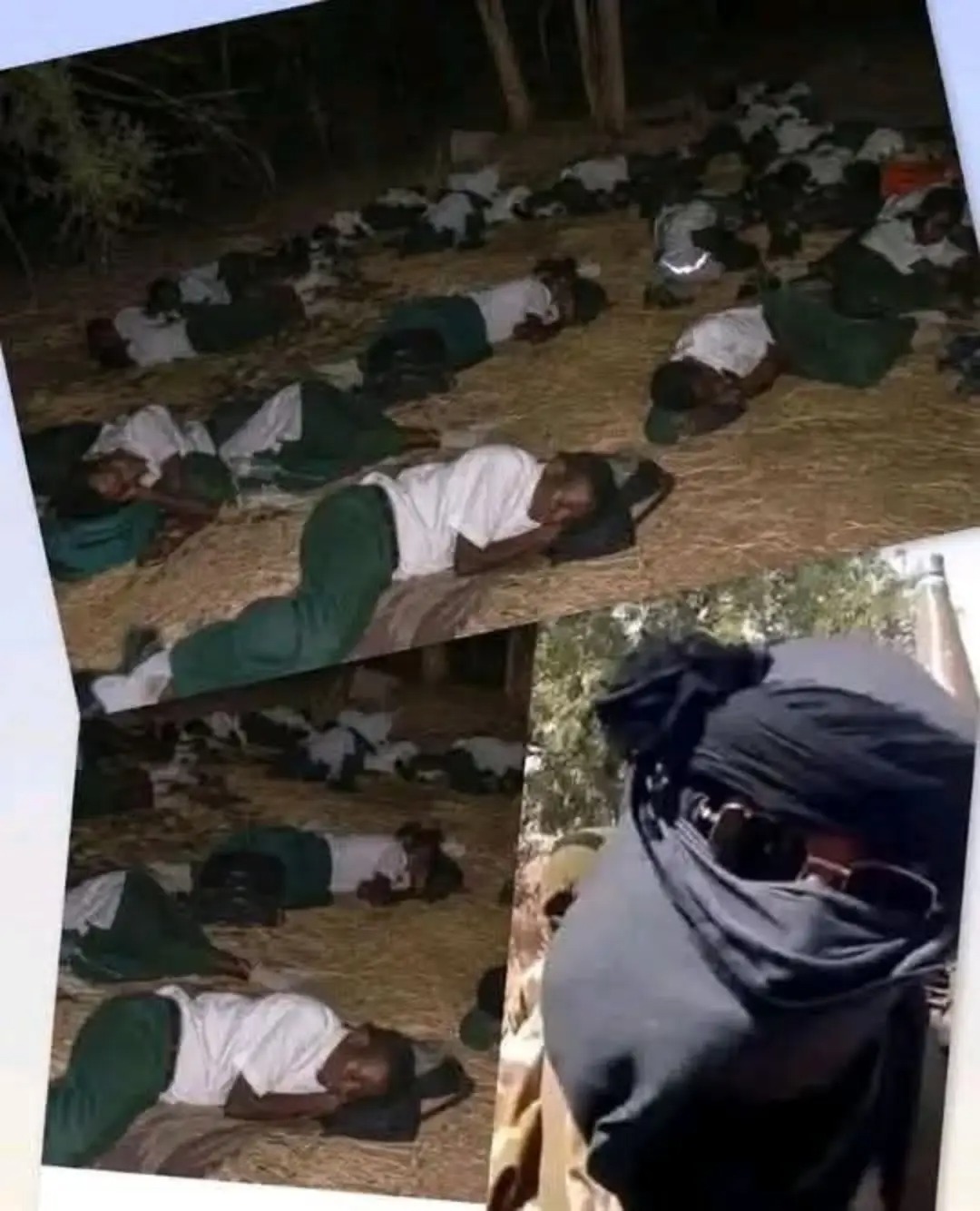
Only this month, gunmen invaded schools in Oriire Local Government Area of Oyo State and abducted school children alongside their teachers. Reports say one of the teachers was killed while in captivity. Families have been left in confusion, pain and helplessness while waiting for news about children who simply went to school to learn. That should shake every Nigerian to the core. But sadly, this is no longer shocking news in Nigeria.
That is the tragedy!
School abductions have become so frequent that Nigerians now struggle to keep count. From Chibok to Dapchi, from Kankara to Kaduna, from Zamfara to Niger State, the stories keep repeating themselves with terrifying similarity. Armed men invade schools, children are herded into trucks or marched into forests, parents cry on television, government officials release statements, security agencies promise action, and then the country moves on until the next abduction happens again.
Nothing truly changes!
What makes this even more painful is that Nigeria already has millions of out of school children. For years, government officials and international organizations have warned that insecurity, poverty and poor educational systems were pushing children away from classrooms. Now, even parents who still believe in education are beginning to fear schools themselves. Imagine the kind of country we are becoming when parents feel safer keeping children at home than sending them to school.
The Nigerian Child Rights Act is supposed to protect children. Section 11 guarantees the dignity of every child and protection from torture or degrading treatment. Section 14 says children deserve care, protection and security. Section 15 guarantees every child the right to free and compulsory basic education. But what meaning do these laws truly have when children are abducted in broad daylight and teachers are murdered while trying to educate them? This is where the anger towards government becomes unavoidable.
President Bola Ahmed Tinubu was elected to lead a country already battling insecurity. Nigerians expected urgency, seriousness and visible action. Instead, what many Nigerians are seeing today is a political class already consumed by calculations for future elections while ordinary citizens bury loved ones and negotiate with kidnappers for survival. It is deeply upsetting! Because leadership is not about speeches. Leadership is not about propaganda. Leadership is not about celebrating endorsements when citizens are living in fear. Leadership is about responsibility. And one of the first responsibilities of any government is protecting lives, especially the lives of children.
So Nigerians have every right to ask difficult questions.
Why are schools still so vulnerable years after repeated abductions? Why do criminals continue to move through communities heavily armed without resistance? Why are security responses almost always reactive instead of preventive? Why does every tragedy end with promises but no lasting solution?And perhaps the most painful question of all: does Nigeria truly value the lives of its children?
Because right now, it does not look like it.
A country that cannot protect children inside classrooms is a country in serious moral crisis. Schools are supposed to represent safety, hope and opportunity. Once children begin to associate education with fear and possible death, society itself begins to collapse slowly from within.
This is why Nigerians must stop treating these incidents as ordinary news headlines. We cannot normalize the abduction of children. We cannot become so emotionally tired that we stop reacting. Every kidnapped child represents a broken family, a traumatized community and a damaged future.
Children’s Day should not only be about speeches and social media posts from politicians. It should force serious national reflection. It should push government into action. It should remind Nigerians that children are not campaign tools or statistics for reports. They are human beings whose lives matter.
The truth is simple: Nigerian children do not need another celebration. They need safety. They need functioning schools. They need healthcare. They need protection. They need leaders who respond to national pain with urgency instead of political distraction.
Until that happens, Children’s Day in Nigeria will continue to feel less like a celebration and more like a painful reminder of how badly this country is failing its children.
Amarachi Ugwu is a Nigerian broadcast journalist.