


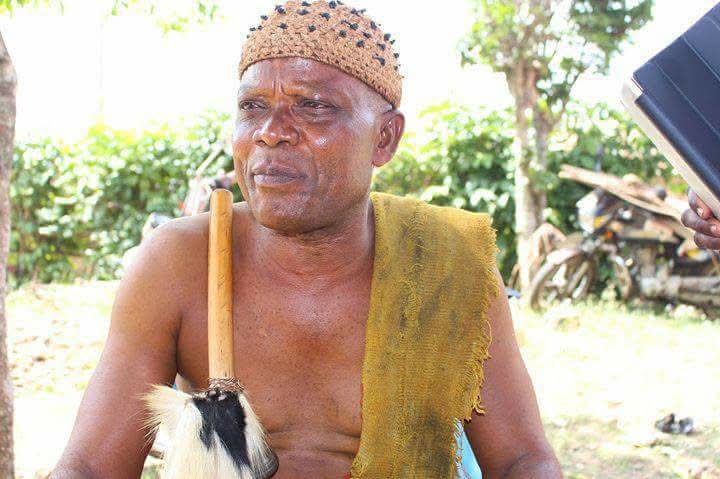
There has been a lot of controversy surrounding the 2025 edition of Leboku in Ugep. Libini, the satirical show that sparked outrage this year by making fun of the Obol Lopon of Ugep in ways that many felt were disrespectful to the throne, is at the center of the controversy. Angry voices have emerged both inside and outside of Yakurr, with some demanding stricter regulation and others calling for the practice to be completely abandoned.
At NegroidHaven.com, we acknowledge and value the worries of people who believe that Libini has veered into body-shaming and mockery in its current form. A monarch is an institution as well as an individual, and the throne must be treated with dignity as a representation of unity. Indeed, there was a chance that this year’s festival’s widely shared photos and chants would turn a moment of cultural heritage into a mocking spectacle.
However, to advocate for Libini’s abolition would be to overlook its more profound significance. Libini has served as Yakurr’s unspoken code of accountability for many generations. It is an indigenous kind of cultural democracy that uses satire to correct even the highest authorities. It serves as a mirror for leadership and a reminder that the people still have the final say over power, no matter how sacred it is.
Those who would silence Libini today fail to remember that unbridled power corrupts, and absolute power, particularly the kind ingrained in the political and spiritual ethos of the Obol Lopon, can corrupt completely. Yakurr’s defense against absolutism has been Libini’s unvarnished, unadulterated satire. Dismantling it in the name of upholding dignity would deprive society of one of its most potent, indigenous checks on excesses.
But we have to acknowledge that culture changes. The community needs to think about how to improve it, not if Libini should be buried. Accountability need not turn into abuse, and satire need not turn into insults. Without completely shutting down the institution, guardrails can be established through council supervision or mutually agreed-upon boundaries.
The implications for tourism must also not be disregarded. Leboku is a global brand in addition to a local celebration. Visitors come to Ugep to see the genuineness of a people who aren’t afraid to speak truth to power in their own language, not just for the show. Sterilizing Libini runs the risk of reducing Leboku to a lifeless spectacle, stripped of the bold voice that gives it its individuality.
Here, the Obol Lopon, who is in charge of Yakurr’s legacy, has a chance. He can show strength by accepting satire instead of flinching from it, making a distinction between institutional accountability and personal insult. Respect is greater for a tolerant monarch who is prepared to hear criticism in song and chant than for one who is protected from all disparaging remarks.
Therefore, the 2025 controversy should not signal Libini’s demise but rather its rebirth. Allow Yakurr to rethink how satire can flourish in a contemporary festival—scathing but deferential, bold but honorable. The people’s right to challenge authority, even when it is seated on a throne, must never be forgotten.
For truth is silenced when satire is silenced. Furthermore, corruption flourishes when the truth is suppressed because only power is left.
-Editorial Board of NegroidHaven