

The Cross River State Government has unveiled an ambitious electric mobility programme that will see the deployment of 10 electric city buses, 20 shuttle buses, 500 electric tricycles and 200 electric motorcycles as part of efforts to revolutionise public transportation, reduce commuting costs and create a more sustainable transport system across the state NEGROIDHAVEN can report.
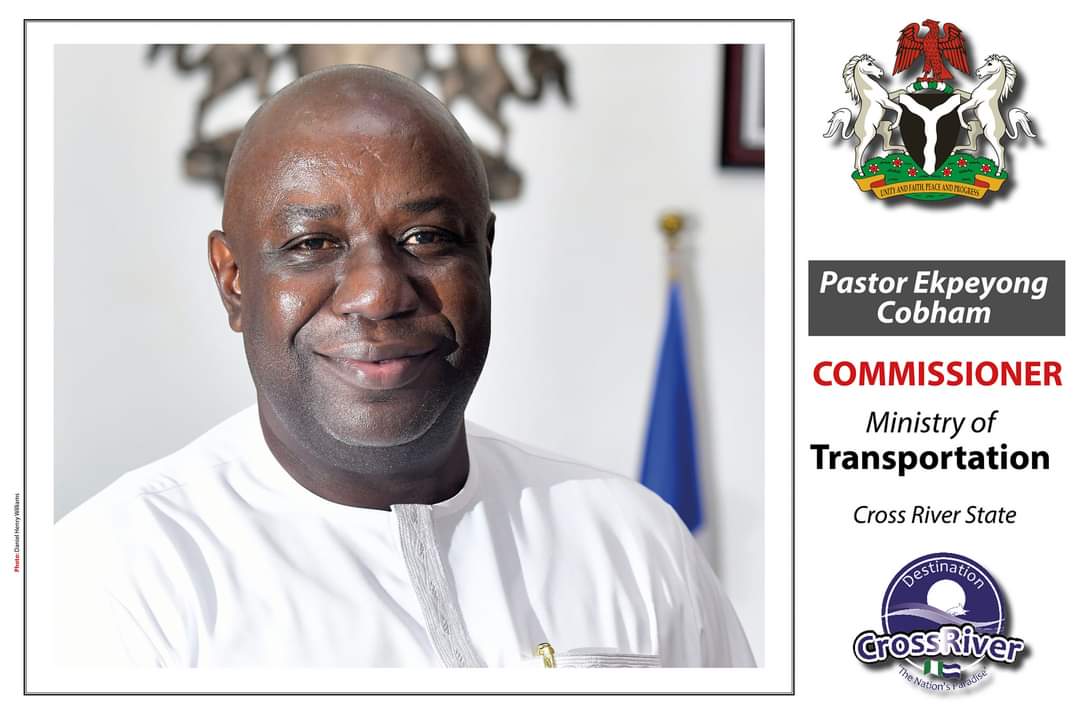
Commissioner for Transportation, Pastor Ekpenyong Cobham, disclosed this during an interactive session with journalists in Calabar, describing the initiative as a major milestone in Governor Bassey Otu’s transport reform agenda aimed at improving mobility while easing the economic burden on residents.
Cobham said the electric vehicles represent the first phase of a comprehensive transportation master plan designed to modernise the sector through clean energy, private sector participation and improved transport infrastructure.
According to him, the government opted for electric mobility after evaluating alternative energy options, including Compressed Natural Gas (CNG), noting that electric vehicles offer lower operating costs, greater environmental sustainability and long-term economic benefits.
“The era of fossil fuel is gradually going out. The instability in fuel prices has made transportation increasingly expensive, and our local economy cannot continue to absorb those costs. We have therefore settled for the electric option as the most sustainable solution,” he said.
The commissioner explained that each of the 10 electric city buses has the capacity to carry about 50 passengers per trip and can travel approximately 250 kilometres on a single battery charge, making them suitable for daily intra-city operations without the recurring expense of fuel.
He said the 20 electric shuttle buses would complement existing transport services by covering routes currently underserved, while the 500 electric tricycles and 200 electric motorcycles would expand affordable transportation options and create employment opportunities for residents across the state’s three senatorial districts.
Cobham noted that government is also investing in supporting infrastructure, including electric charging stations and battery swap facilities, to ensure the smooth operation of the new transport system.
“We are laying the foundation for a completely new transportation ecosystem. This is not just about acquiring vehicles; it is about creating a new economy that is cleaner, more efficient and more affordable for the people,” he stated.
The commissioner disclosed that the state had already concluded a holistic pre-feasibility study of the transportation sector through Planet Projects, a consulting firm with experience on World Bank projects, to identify long-term solutions for road, marine and intercity transportation.
He added that the study has attracted significant interest from private investors, with discussions already underway under a Public-Private Partnership (PPP) framework to expand transport infrastructure and services across the state.
Among the planned projects, Cobham said, are an intercity shuttle service, a central transport park and a 4,000-capacity trailer park located within the Odukpani-Akamkpa axis to decongest Calabar and improve traffic flow.
He further disclosed that the state remains committed to the Grand Littoral Rail Project, which is expected to improve connectivity between local government areas and neighbouring states once outstanding federal approvals are secured.
Addressing concerns about affordability, the commissioner said the electric mobility initiative would significantly reduce transport fares by eliminating fuel costs, allowing government-backed buses to offer cheaper services while encouraging competition within the transport sector.
He expressed confidence that the initiative would not only transform public transportation but also stimulate economic growth, empower young people through employment opportunities and position Cross River as one of Nigeria’s leading states in clean and sustainable mobility.