


…Cancel Culture, Clout, and the Cost of Fanbase Politics in Nigeria
By Efio-Ita Nyok, Ph.D
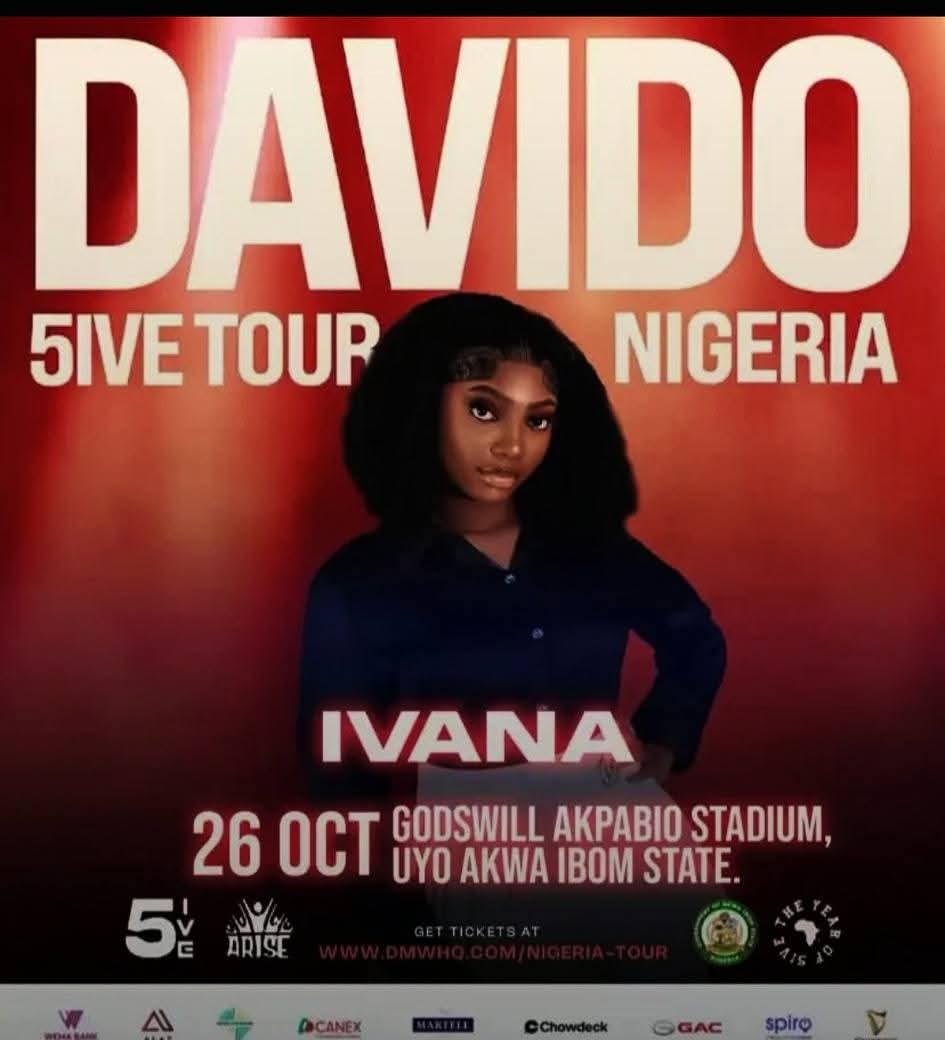
When Davido’s 5ive Alive Tour landed in Uyo last weekend, it was supposed to be a celebration of music, local talent, and unity. But instead of excitement, one of the city’s rising hype artists, Ivana, found herself at the center of an online storm — a storm that revealed how deep the fault lines of fan tribalism now run through Nigeria’s pop culture.
Ivana had been announced as one of the hype performers at Davido’s concert, a major gig for any emerging act from Akwa Ibom. But a day before the show, she posted a short video to social media addressing her followers — especially Wizkid’s FC, the fiercely loyal fanbase of superstar Ayodeji “Wizkid” Balogun. In the clip, Ivana tried to explain that she wasn’t “switching sides” by performing at a Davido event, insisting she was only doing so because the concert was happening in her home state.
What was probably meant as a harmless clarification quickly spiraled into self-sabotage. Within hours, her comment section turned toxic. Wizkid’s fans mocked her for over-explaining, Davido’s fans (the 30BG faithful) accused her of disloyalty, and event insiders claimed she was dropped from the lineup before she even got the chance to touch the stage. By the next morning, the show had gone on — without Ivana — and social media had moved on to the next spectacle.
But what happened to Ivana isn’t just gossip fodder. It is a small but sharp window into how fan culture has evolved — or devolved — in Nigeria’s Afrobeats era. What used to be healthy competition between musical icons has mutated into something more rigid, more hostile, and often more destructive.
The Politics of Pop Loyalty
Fanbases in Afrobeats are no longer just supporters; they have become political blocs. Wizkid’s FC, Davido’s 30BG, Burna Boy’s Outsiders — each tribe is intensely loyal, fiercely protective, and sometimes openly antagonistic toward others. Their rivalry fuels engagement and trends, but it also fosters an environment where neutrality is impossible.
For artists and creatives navigating this ecosystem, even the slightest perceived betrayal can trigger outrage. Ivana’s “apology video” wasn’t just poor judgment — it was an attempt to survive the suffocating expectations of fan loyalty. Yet, in trying to please everyone, she pleased no one. That’s the paradox of digital-age fandom: your allegiance must be absolute, or you risk being canceled by both sides.
When Support Turns to Surveillance
What’s striking about today’s fan culture is how easily it transforms from support to surveillance. Fans no longer just enjoy the music; they police behavior, monitor associations, and interpret every move as a statement of loyalty. This moral absolutism mirrors the worst of political partisanship — except it’s happening in the name of music.
In Ivana’s case, the consequences were swift and public. A single video, recorded under a ring light, cost her a major career opportunity. It didn’t matter that she was trying to represent her state or her craft; what mattered was that she had stepped into the wrong camp. That’s how cancel culture operates in our digital village — fast, unforgiving, and often devoid of nuance.
The Social Media Trap for Creatives
Social media has democratized fame, but it has also cheapened discretion. In the race to be seen, many upcoming artists mistake visibility for value. The result is a generation of creatives whose brand identities are built not on artistry but on online chatter. Ivana’s misstep wasn’t unique; it was part of a broader pattern — where emerging acts overshare, over-explain, and underestimate the weight of perception.
In truth, Ivana’s ordeal is less about Davido or Wizkid and more about the culture we’ve collectively built. The same digital platforms that should connect artists to opportunity now double as public courts of opinion. One misjudged post, one emotional outburst, one misunderstood allegiance — and years of work can vanish overnight.
A Call for Perspective
Fan enthusiasm is part of what has made Afrobeats a global force. But when that passion becomes toxic, it stifles creativity and fractures community. Artists, promoters, and fans alike must rediscover the line between support and extremism. Not every collaboration is a betrayal; not every stage appearance is a declaration of loyalty.
For upcoming acts, the lesson is clear: protect your brand with wisdom. You don’t owe every explanation to the internet, and not every audience deserves access to your thought process. In the entertainment industry, silence is sometimes the loudest form of professionalism.
Ivana may have lost a stage, but the bigger loss is ours — a culture where music is supposed to unite, yet fandoms divide us like political tribes. Until we learn to let art breathe free from loyalty wars, the next Ivana moment is only a tweet away.