


MBOBUI, Cross River — Stakeholders from mining host communities in Cross River state have called for a new and legally binding Community Development Agreement (CDA) ahead of the renewal of Lafarge Africa Plc’s mining licence in 2027, insisting that existing agreements have remained largely unimplemented despite more than two decades of mining activities in the area NEGROIDHAVEN can report.
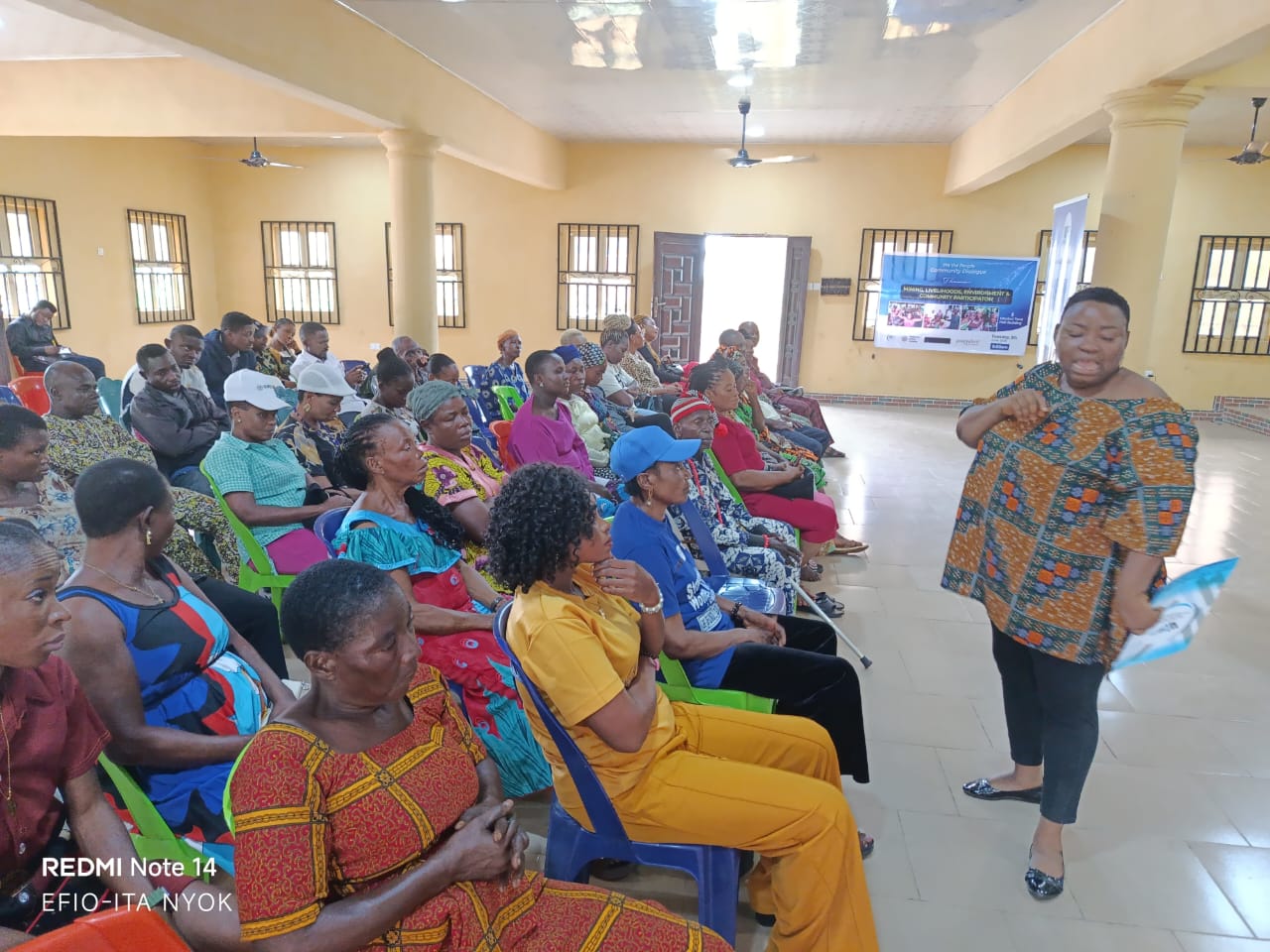
The demand was made on Tuesday during a Community Dialogue organised by the civil society organisation, We The People, at Mbobui Town Hall in Akamkpa Local Government Area on the theme, “Mining, Livelihoods, Environment and Community Participation.”
According to Nsikak Udofot, the project director, the community dialogue formed part of activities under the “Wetin We Gain?” initiative and the Strengthening Women in Mining (SWIM) project, which seek to promote transparency, accountability and community participation in Nigeria’s extractive sector.
Participants at the dialogue argued that communities hosting limestone mining operations have not received commensurate benefits from the extraction of resources from their lands and called for a fresh framework that guarantees accountability, transparency and community participation.
Speaking during the event, a consultant with Policy Alert, Mfon Gabriel, said records showed that Community Development Agreements signed since the commencement of mining operations had either been poorly implemented or completely neglected.
According to him, the impending expiration of Lafarge’s operating licence presents an opportunity for host communities to negotiate a more equitable arrangement.
“We observed that for over two decades, the Community Development Agreements that should have guided development in the host communities have largely remained unimplemented. There is already an arrears of obligations owed to these communities,” Gabriel said.
He stressed that any renewed licence should be tied to a concrete CDA that reflects the needs and aspirations of the six host communities and is based on their informed consent.
Gabriel argued that despite years of mineral extraction, there was little evidence of corresponding development in the affected communities.
“We feel these communities have been shortchanged and exploited over the years. The next agreement must reflect what the company is taking from the communities and what the communities are entitled to receive in return,” he added.
Beyond development agreements, stakeholders also called for independent environmental audits of mining activities, citing concerns over pollution, environmental degradation and inadequate compensation for damaged assets.
Gabriel said reports from residents indicated worsening environmental conditions, including dust pollution, damaged farmlands and destruction of economic trees.
While noting that environmental regulations already exist, he expressed concern over weak enforcement and urged relevant federal agencies to conduct independent assessments of mining operations.
“There is a need for environmental experts to independently evaluate the current condition of these communities and compare what is on ground with the environmental impact assessments submitted by the company,” he said.
The consultant also advocated greater utilisation of derivation revenues accruing from mineral extraction for the benefit of host communities.
He argued that communities bearing the environmental and social costs of mining should be prioritised in infrastructure development and public investment.
According to him, many mining communities still lack basic infrastructure despite the revenues generated from their resources.
Also speaking, Executive Director of We The People, Ken Henshaw, said the dialogue was convened to address longstanding concerns surrounding mining operations in the Mfamosing axis and other host communities.
Henshaw alleged that years of mining had left communities grappling with environmental challenges, health concerns, damaged infrastructure and livelihood losses, while local residents remained largely excluded from decisions affecting their resources.
He said many communities had become passive observers in processes that directly affect their lands and livelihoods.
“Communities should not merely be recipients of whatever benefits companies decide to offer. They should be active stakeholders with the power to negotiate and determine what they get from the resources beneath their land,” he said.
The civil society leader further alleged that weak community participation had enabled the emergence of local power brokers who often monopolise benefits and suppress dissenting voices.
According to him, the organisation’s intervention seeks to strengthen community agency and ensure residents understand their rights under existing mining laws.
Henshaw also maintained that Cross River State was not receiving the full benefits due from mining operations, claiming that existing royalty and payment structures required closer scrutiny.
“We think the state government is being shortchanged. Better community monitoring and engagement can help improve transparency and ensure that both government and host communities receive what they are entitled to,” he said.
Community stakeholders who participated in the dialogue echoed calls for greater unity among host communities ahead of negotiations expected to precede the licence renewal process.
A stakeholder from Abiati community, Raphael Effiong, said while mining companies have responsibilities to host communities, local contractors and community leaders must also be held accountable for how benefits and development projects are managed.
He urged community representatives to place collective interests above personal gains in future engagements with mining operators.
Also speaking, women leader from Akwa Ikot Effanga community, Reverend Rita Archibong Henshaw, called for stronger collaboration among host communities to ensure that lessons from previous agreements inform future negotiations.
She stressed the need for communities to present a united front as discussions around the future of mining operations in the area gather momentum.
Organisers said the programme also aims to equip communities with legal knowledge and advocacy tools needed to engage government institutions and mining companies more effectively.