


Calabar— Public health experts have warned that cholera remains a persistent threat in Nigeria, stressing that safe water, sanitation, hygiene, and vaccines are crucial to curbing recurring outbreaks NEGROIDHAVEN has learned.
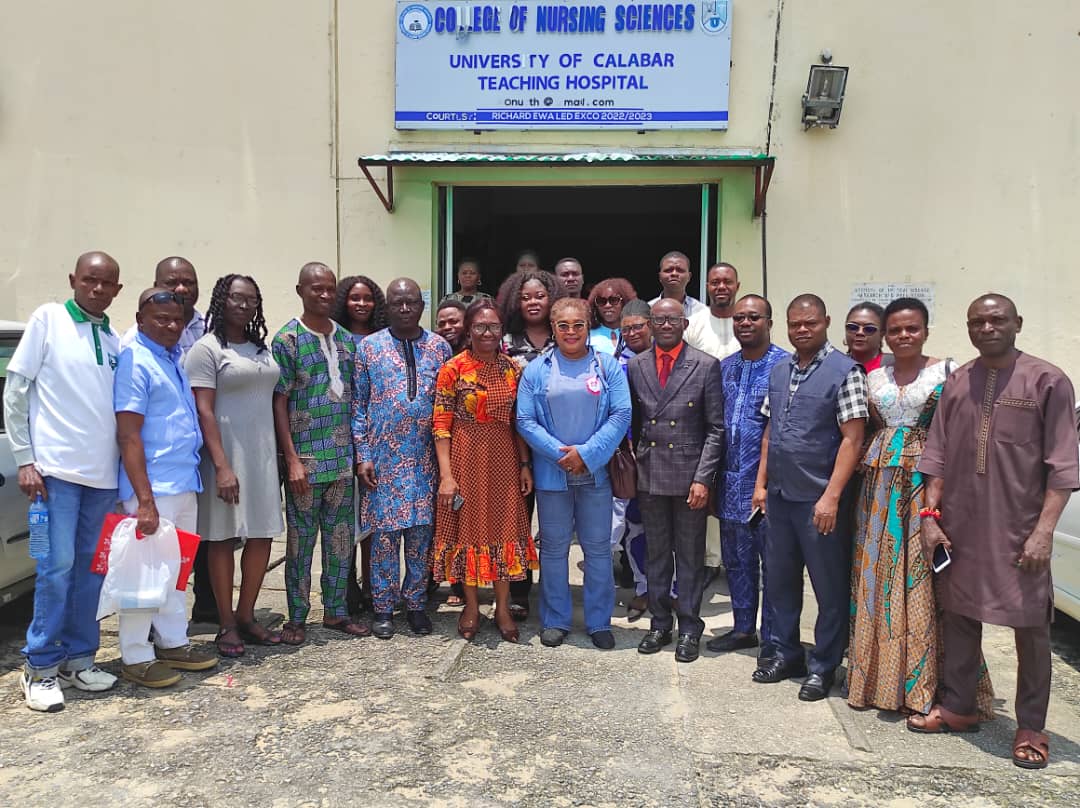
Speaking at a media roundtable in Calabar, organised by Cochrane Nigeria, Institute of Tropical Diseases Research and Prevention (ITDRP), University of Calabar Teaching Hospital (UCTH), researchers on Tuesday highlighted the deadly impact of the waterborne disease and urged citizens to adopt preventive measures.
Professor Angela Oyo-Ita, Cochrane Nigeria lead, described cholera as a disease caused by vibrio cholerae that can quickly lead to severe dehydration and death if untreated.
“Cholera kills mostly children and even adults when water and sanitation fail. Prevention begins with hygiene and access to clean water. Vaccines are secondary but very useful in reducing the burden,” she explained.
Oyo-Ita stressed that vaccines provide additional protection, with some lasting up to two years, but should not replace hygiene and environmental sanitation.
“Sometimes people are afraid of vaccines. We want to encourage citizens not to shy away. Vaccines save lives,” she added.
Delivering an overview, Dr. Ekong Emmanuel Udo, Senior Research Associate with Cochrane Nigeria, noted that cholera, though once a global menace, remains endemic in Africa and other developing regions. He identified poor sanitation, unsafe water, malnutrition, overcrowding, and open defecation as major risk factors.
“Cholera is transmitted when contaminated food or water enters the body. The bacteria colonise the gut, releasing toxins that cause profuse diarrhoea and vomiting. Severe cases can lead to kidney failure and death if untreated,” Udo explained.
He emphasised rehydration as the cornerstone of treatment, adding that mild cases can be managed with oral rehydration solutions while severe cases require intravenous fluids.
Beyond individual responsibility, Udo called on government to step up interventions in sanitation, access to potable water, and management of displacement camps.
“Citizens must cook food properly, wash hands, and maintain hygiene, but government also has a duty to ensure clean water and safe environments,” he stressed.
The roundtable featured discussions on “Frequent Cholera Epidemics: Can Vaccines Help?” led by Dr. Ekpereonne Esu, with active participation from journalists, researchers, and civil society groups.
The session ended with a call for stronger public enlightenment, especially in rural and peri-urban communities where outbreaks are frequent.