

CALABAR – The National President of the Chartered Institute of Logistics and Transport (CILT) Nigeria, Dr. Boboye Oyeyemi, has called on the federal and Cross River state governments to urgently convert the vast informal maritime trade between Nigeria and Cameroon into formal, taxable commerce, warning that the current system contributes nothing to the nation’s Gross Domestic Product (GDP) NEGROIDHAVEN can report.
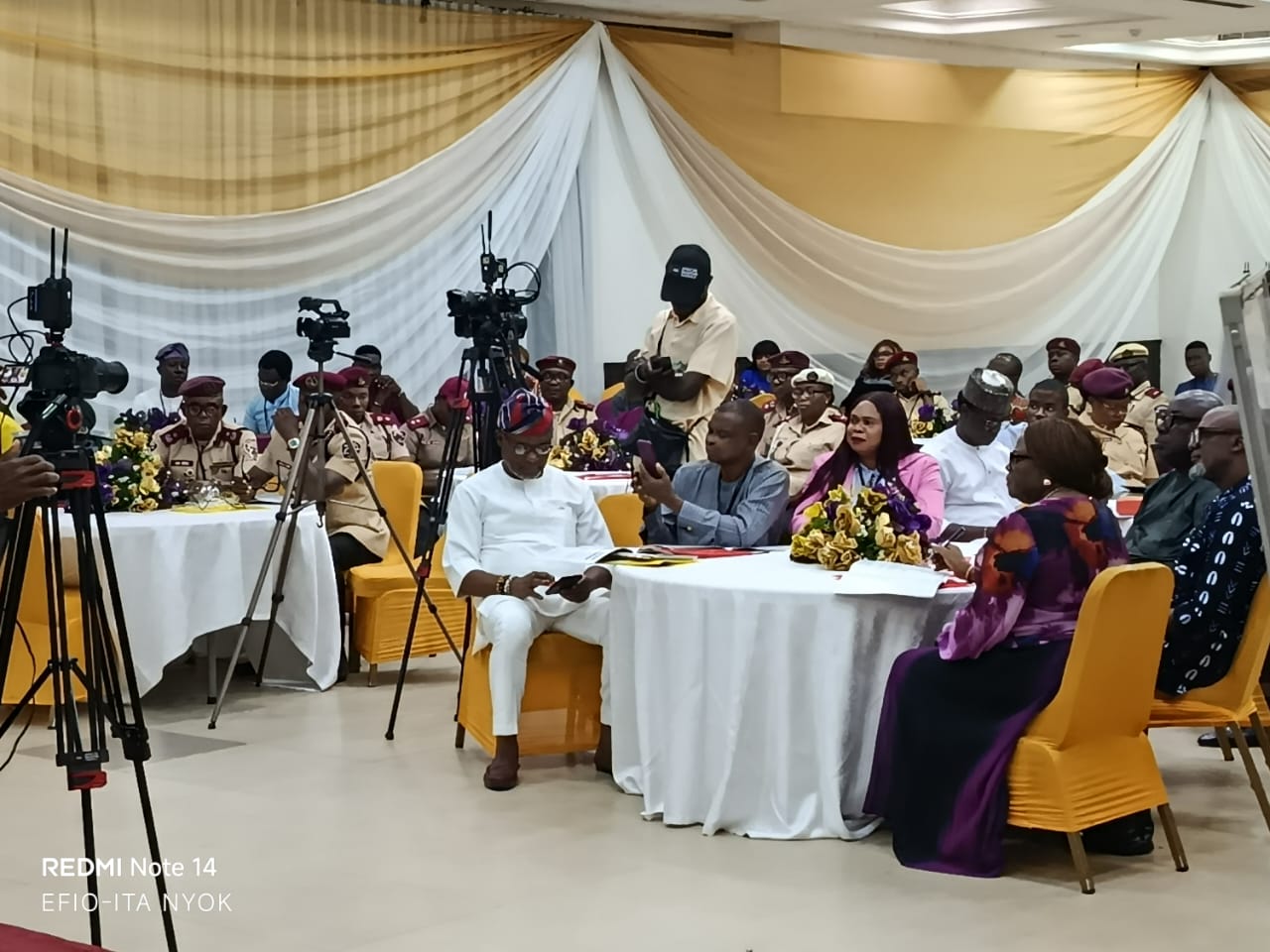
Speaking as the keynote speaker at a two‑day capacity building conference organised by the CILT Cross River State Chapter on Wednesday in Calabar, Oyeyemi said that while daily boat movements between Calabar and Douala involve millions of Nigerians and generate significant commercial activity, the trade remains entirely informal and unrecorded in national accounts.
“All this informal trade along the Gulf of Guinea, the littoral states, is not fetching the country any improvement in our GDP,” Oyeyemi told an audience that included government officials, maritime industry players, and logistics professionals.
He recalled a recent engagement with Cameroonian authorities in Yaoundé, where the Minister of Interior noted that registered Nigerians in Cameroon numbered about four million at the time, with more recent estimates pegging the figure at eight million.
“They dominate our commerce here – from spare parts to vehicles to everything. If they go on strike, this country will collapse,” Oyeyemi quoted the Cameroonian official as saying. He added that daily boat services run overnight from Calabar to Douala and return the same day, underscoring the volume of unrecorded cross‑border activity.
“The Honourable commissioner, the governor needs to look into this and get the federal government to convert this to formal trade,” Oyeyemi said.
He noted that Nigeria possesses immense maritime advantages, including 800 kilometres of coastline, the largest market in Africa, major ports such as Apapa, Onne, Warri and Lekki Deep Sea, and about 10,000 kilometres of inland waterways. However, he stressed that potential alone does not generate prosperity.
“It is the execution, it is the bold step Nigeria takes that will give us prosperity. All this informal trade cannot give us prosperity. It is the conversion of this informal trade that will give us the prosperity,” he said.
Earlier in his welcome address, the Chairman of CILT Calabar Branch, Dr. Aniefok Iton, had described Cross River state as “strategically positioned as a gateway for trade facilitation across the sea, land, air, rail, and pipeline mode.” He lamented that despite abundant natural resources and navigable waterways, local participation in international trade remains limited, with resources often exported in raw form.
The conference, themed “Promoting Coastal Maritime Trade with Littoral Countries Along the Gulf of Guinea,” held at The Metropolitan Hotel in Calabar, also featured technical sessions on maritime transport management under the African Continental Free Trade Area (AfCFTA), which Oyeyemi described as a $3.4 trillion market opportunity waiting to be captured.
Oyeyemi commended the Cross River State Government for recognising the urgent need to formalise informal trade and reposition Calabar as a regional trade hub, but urged decisive action.
“We must act decisively. Calabar is naturally positioned. It is not a feeble position. Something must be done with the right investment in infrastructure, connectivity, and logistic systems. The state government alone cannot do it – a lot of partners are required,” he said.
The two‑day conference, which began on Wednesday, also included panel sessions, networking, and a dinner. It was organised under the CILT philosophy: Stronger Together.