


In the mist-shrouded highlands of Cross River state, Nigeria, where the Obanliku Local Government Area cradles the ancient Becheve people, a quiet revolution is unfolding. Here, amid lush montane forests that teeter on the edge of the Obudu Cattle Ranch—a biodiversity hotspot teeming with endangered primates and orchids—a community is not just surviving twin crises of gender-based violence (GBV) and ecological collapse. They are reweaving the threads of their indigenous wisdom to mend both. As global headlines scream about COP summits and #MeToo reckonings, the Becheve offer a blueprint: justice for women and the planet are inseparable, rooted in the soil of cultural resilience.
The Becheve, known for their intricate beadwork and oral histories etched into the landscape, have long embodied a holistic worldview. Their traditional practices—sustainable yam farming that rotates crops to preserve soil fertility, selective harvesting that honors sacred groves, and communal rituals that bind humans to the rhythms of rivers and rains—have safeguarded one of West Africa’s last intact ecosystems for generations.
Yet, as climate change accelerates, these highlands face relentless threats: erratic downpours eroding terraced fields, invasive pests devouring crops, and deforestation from illegal logging that fragments habitats for species like the Cross River gorilla. According to UNESCO’s insights on local knowledge systems, indigenous communities like the Becheve contribute uniquely to climate adaptation by integrating observations of environmental shifts—such as altered bird migrations or soil color changes—into adaptive strategies that Western epistemological models often overlook.
This isn’t romantic nostalgia; it’s empirical resilience. Studies from the Intergovernmental Panel on Climate Change affirm that indigenous territories, comprising just 22% of global land, harbor 80% of the world’s biodiversity, precisely because practices like the Becheve’s controlled burning and seed banking prevent wildfires and bolster genetic diversity.
But wisdom without equity is hollow. For decades, the Becheve grappled with entrenched GBV, including the infamous “money wife” practice—where impoverished families bartered young girls into marriage for cash, perpetuating cycles of abuse and denying education. In 2020, community elders, pressured by advocacy from groups like the African Centre for Leadership, Strategy and Development (Centre LSD) abolished this custom, a landmark victory that slashed early marriages by over 40% in Obanliku.
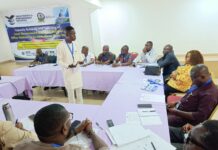
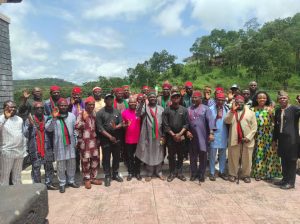
Fast-forward to October 2025, and the momentum has surged. A series of transformative trainings, as chronicled by NEGROIDHAVEN, has galvanized traditional rulers, chiefs, youth and the judiciary into a Male Feminists Network—the first of its kind in rural Nigeria. These leaders, once enforcers of patriarchal “unwritten rules,” now pledge allyship: “Two hands are better than one,” they declare, championing partnerships that redefine manhood not as dominance but as shared guardianship.
Women, long sidelined from chieftaincy councils with edicts like “a woman cannot be a chief,” are stepping into dialogues, their voices amplifying calls for legal reforms and community mediation circles.
What elevates Obanliku beyond a local triumph is the profound intersectionality of these fights. In Becheve cosmology, the earth-mother (symbolized in their fertility rites) is inseparable from human mothers; violence against women mirrors the plunder of forests. Empowered women, freed from marital bondage, lead reforestation drives, using indigenous knowledge to plant native species that stabilize slopes against landslides—a direct bulwark against climate-induced displacement. Men in the network, trained to build “peace, not fear,” patrol against poachers, enforcing taboos on overhunting that preserve biodiversity corridors.
This dual justice isn’t accidental; it’s woven into trainings that link GBV prevention with environmental stewardship, recognizing that resource scarcity—exacerbated by climate shocks—fuels domestic tensions. As a 2025 Conservation Biology report notes, indigenous reports of climate impacts on biodiversity often reveal gendered patterns: women, as primary gatherers, first detect shifts in edible plants, yet bear the brunt of resulting food insecurity.
Globally, this Becheve blueprint challenges the siloed approaches of international aid. While the UN’s Sustainable Development Goals (SDGs) pit Goal 5 (gender equality) against Goal 13 (climate action), Obanliku demonstrates their synergy. Imagine scaling this: funding Male Feminists Networks in the Amazon or Inuit coastal guardians in the Arctic, where indigenous women lead both anti-violence campaigns and sea-ice monitoring. The UNDP’s Climate Promise underscores that such knowledge isn’t supplementary—it’s essential, reducing vulnerability in marginalized groups by 30-50% through localized adaptations.
Yet, threats loom. Federal neglect in Nigeria starves Obanliku of resources; a single dirt road upgrade could connect their herbal remedies—proven antimalarials—to urban markets, funding more trainings. International donors, fixated on flashy tech like carbon credits, must pivot to amplifying voices like these. Policymakers at the African Union or UN Women: Fund the feminists in the fields, not just the forums. And to the global north, nursing your own climate anxieties: Listen to the Becheve. Their elders whisper a truth louder than any alarm: Heal the women, heal the world—or watch both unravel.
In Obanliku, the fight is fierce but unflinching. As one chief put it after the landmark pact, “We vow not just to end bias, but to end the silence of the silenced.”
It’s a call to arms for planetary justice, one indigenous thread at a time. This editorial draws on recent reporting from NEGROIDHAVEN and global research to spotlight underreported African innovations.