

CALABAR – The Chartered Institute of Logistics and Transport (CILT) has declared that Calabar is “naturally positioned” to emerge as a major regional maritime trade gateway, but warned that a lack of coordinated strategy, investment, and infrastructure connectivity has left the city’s vast potential largely untapped NEGROIDHAVEN has garnered.
Speaking at a two‑day capacity building conference in Calabar on Thursday, the National President of CILT Nigeria, Dr. Boboye Oyeyemi, urged the Cross River State Government to develop a clear maritime development plan, noting that the state possesses all the ingredients of a coastal trade powerhouse.
“Calabar can become a major regional trade port. What is required is a clear, coordinated maritime development strategy,” Oyeyemi told an audience of industry professionals, government officials, and stakeholders at The Metropolitan Hotel.
He highlighted Cross River’s strategic advantages: a coastline along the Gulf of Guinea, proximity to Cameroon, navigable inland waterways, and a functional free trade zone. He noted that daily boat services already operate between Calabar and Douala, carrying goods and people overnight, but that these remain largely informal and underutilised.
“Your excellency, the governor of Cross River State, you are uniquely positioned to lead in this case. The proximity to Cameroon, the inland waterways, and the functional free trade zone – these are not small advantages,” Oyeyemi said.
Earlier, the Chairman of CILT Calabar Branch, Dr. Aniefok Iton, in her welcome address, described Cross River State as a “gateway for trade facilitation across sea, land, air, rail, and pipeline modes.” She noted that the South‑South region, and particularly the Niger Delta, holds immense potential, yet local participation in international trade remains limited.
“Our strengths are undeniable: strategic coastlines, navigable waterways, abundant natural resources, and access to key maritime routes. Yet, despite these advantages, local participation in international trade remains limited. Too often, our resources are exported in their raw form, and the full value chain is not retained within our economy,” Iton said.
She identified several challenges: weak indigenous participation in global trade operations, low awareness and capacity building, informal activities within ports and across borders, underutilised infrastructure, and security concerns on the waterways.
Iton stressed that maritime trade along the Gulf of Guinea is practical and dynamic, but what has been missing is “deliberate coordination, inclusive participation, and sustained commitment.”
“When effectively harnessed, this sector can drive regional integration, strengthen SMEs, stimulate coastal economies, improve trade efficiency, and generate sustainable employment across multiple industries,” he added.
Both speakers called for strong partnerships between government agencies, private sector leaders, and industry stakeholders across borders. Oyeyemi noted that the state government alone cannot carry the burden.
“The state government alone cannot do it. A lot of partners are required,” he said, adding that investment in infrastructure, connectivity, and logistics systems is essential.
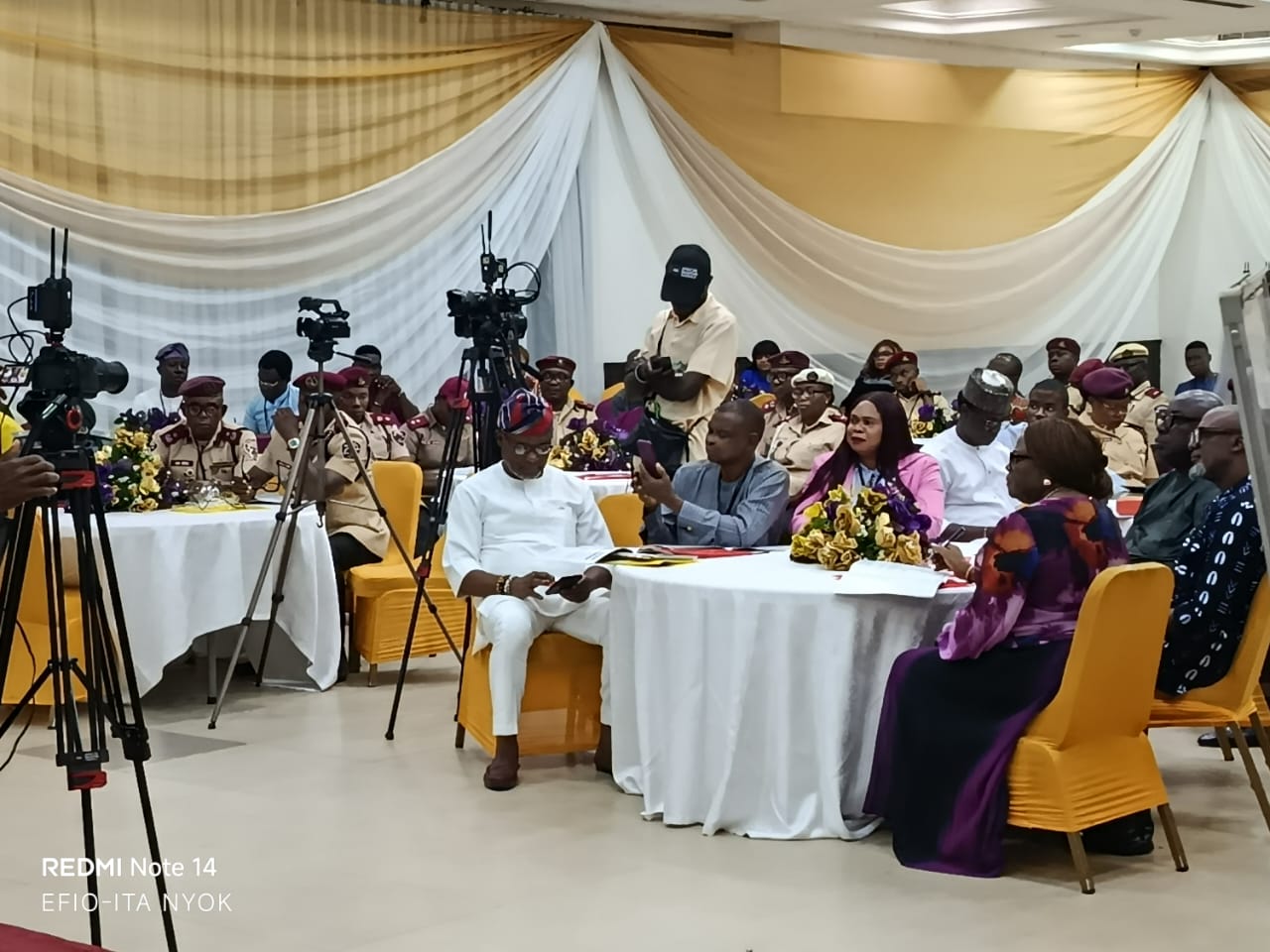
The conference, themed “Promoting Coastal Maritime Trade with Littoral Countries Along the Gulf of Guinea,” was organised by CILT Cross River State Chapter and held over two days, Wednesday and Thursday, at The Metropolitan Hotel, Calabar.
The event also featured technical sessions, panel discussions on promoting trade using all modes of transportation, and a counselling session for the institute’s “Next Generation” young professionals.
Dr. Oyeyemi concluded with an African proverb: “If you want to go fast, go alone. If you want to go far, go together,” aligning with the CILT philosophy of Stronger Together.